
ARCO | MAR 26
DATE: from March 4, 2026 to February 8, 2026
https://www.ifema.es/arco/madrid/galerias
PLACE: Booth 7C30 | Pavillion 7
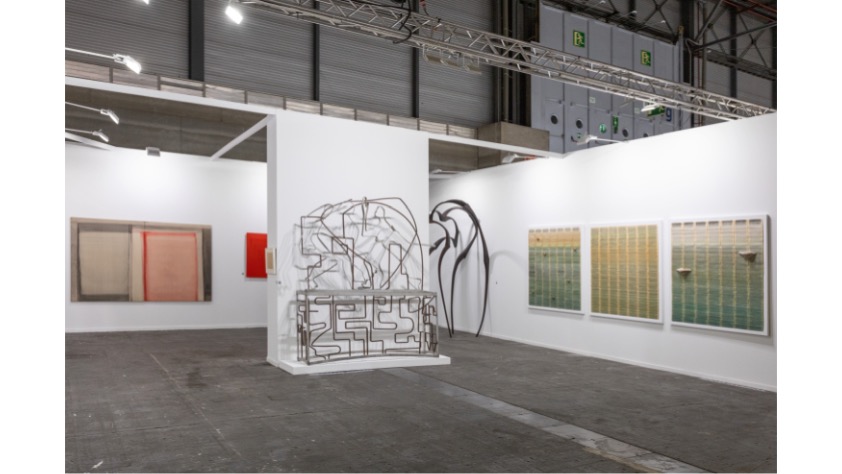
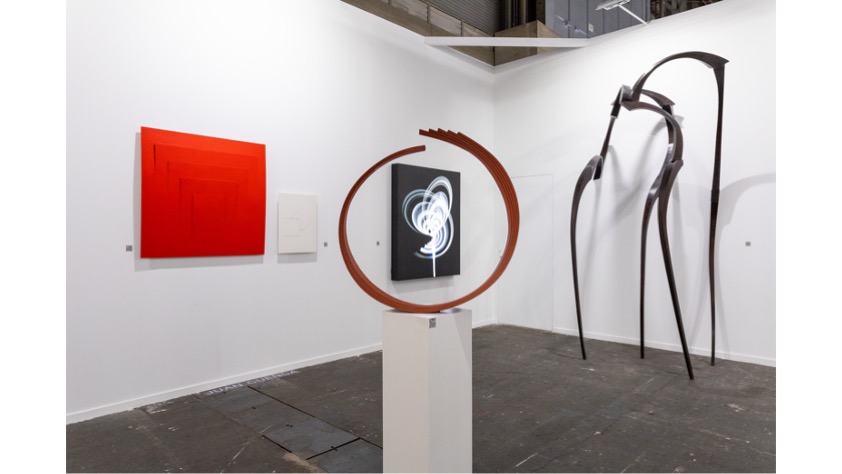
Freijo Gallery proposes a booth for ARCO Madrid 2026 that brings together eight artists from different generations.
Based on the gallery's first exhibition in 2010, Hierros y sombras (Iron and Shadows) by Germán Cueto (MX, 1893 – 1975), for which we published a catalogue, we present a historic work: Obreros trabajando (Workers at Work). Made from construction rods for the company Barras y perfiles de México S.A. de C.V., using materials manufactured by this company. It dates from 1949-50 and is one of the artist's largest works, never before exhibited, although it has been widely referenced in most publications about the artist. We propose to present this sculpture in front of a wall, creating a play of shadows, presiding over the centre of the booth.
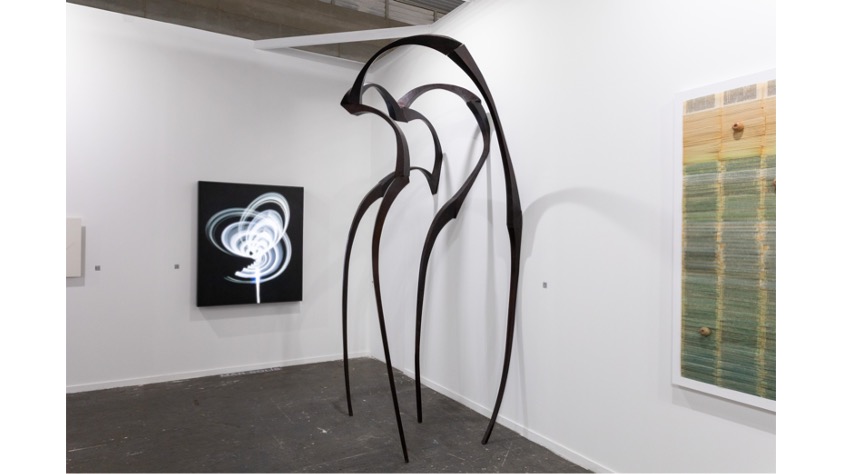
The sculptural work in mahogany by the artist Mar Solís (Spain, 1967), a recent addition to the gallery's roster, provides a counterpoint to the booth. This work, created in 2009 and standing three metres tall, offers a reflection on the diversity of materials used in sculpture over the last sixty years. Germán Cueto's conceptual sculpture, using industrially manufactured materials, dialogues with Mar Solís's work, made of wood and based on concepts from quantum physics.
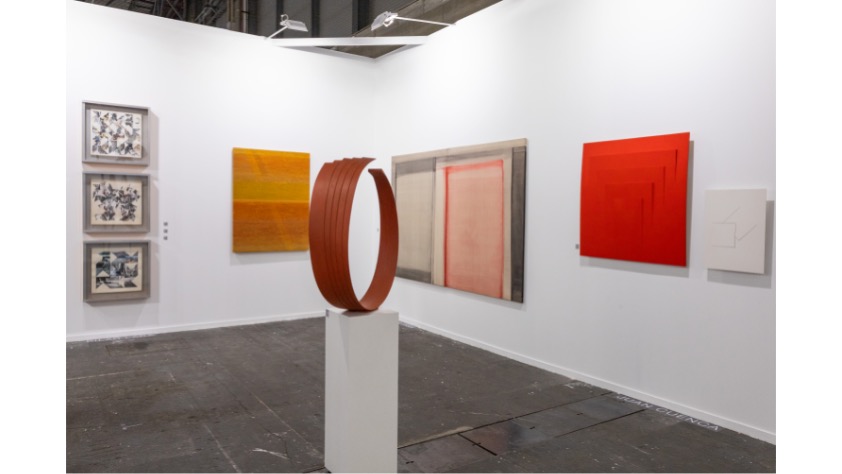
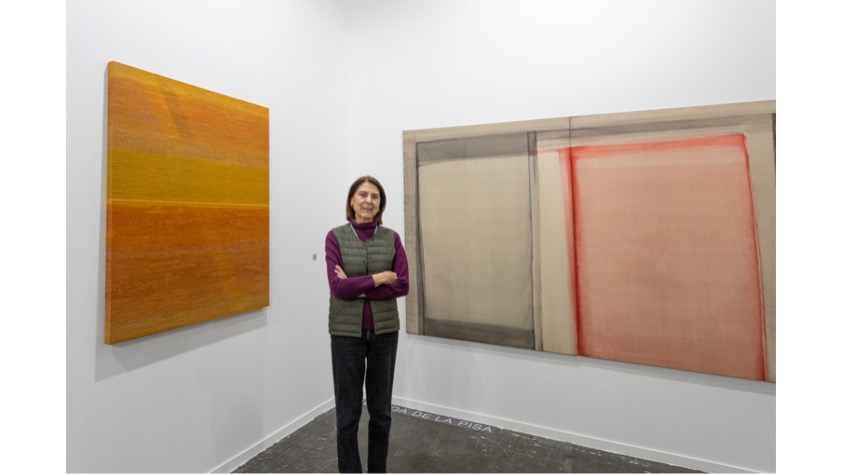
We present works by painter Águeda de la Pisa (Spain, 1942), some of which are recent, accompanied by a historical diptych from the 1980s.
The works of Juan Cuenca (Spain, 1934), the last member of Equipo 57, are his most recent works presented at the Fundación Komún.es in Seville in 2024 and at Freijo Gallery in 2025.
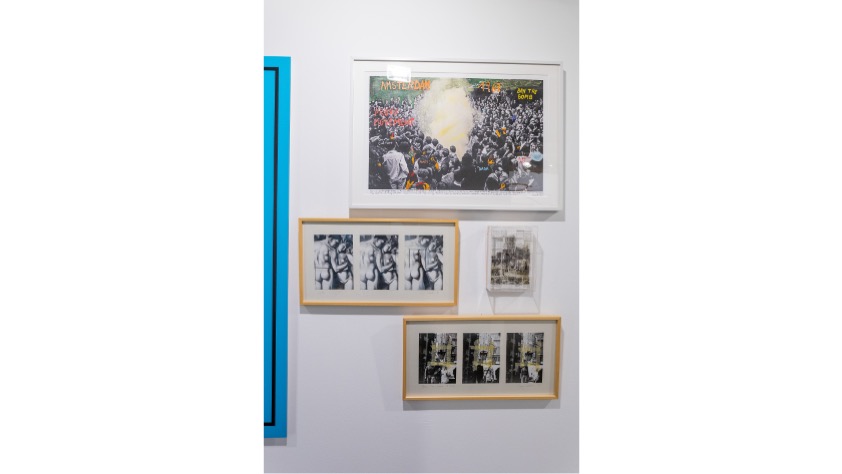
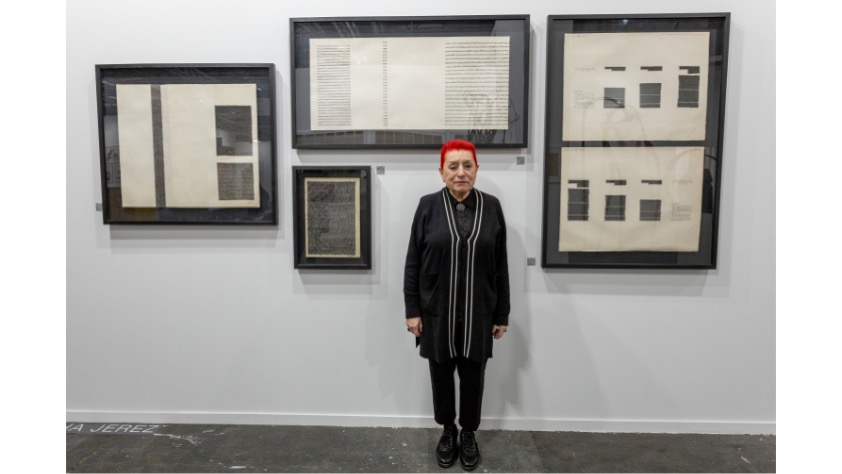
We present a selection of works by Concha Jerez (Spain, 1941) featuring her characteristic self-censored texts, including works from the 1970s to the present day, which show the continuity of this project focused on the mechanisms of silence and censorship present in society.
Meanwhile, Pilar Lara’s (Spain, 1940 – 2006) feminist works, developed in different media and conceptual languages, represent the struggle of avant-garde female creators in our country.
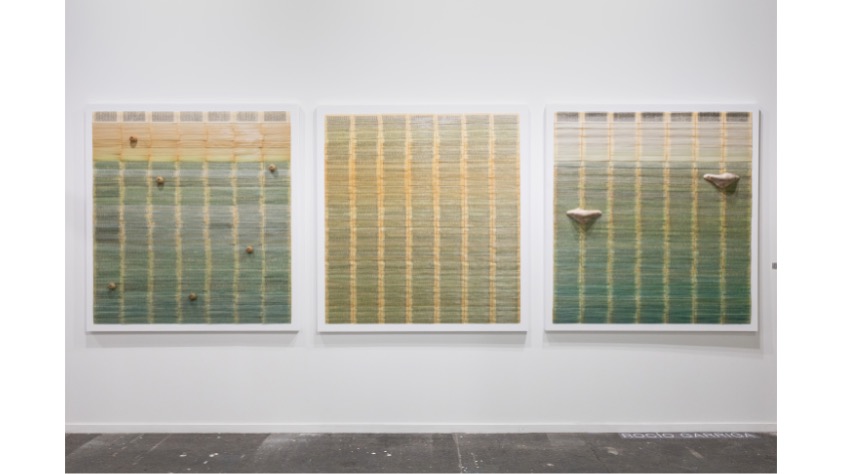
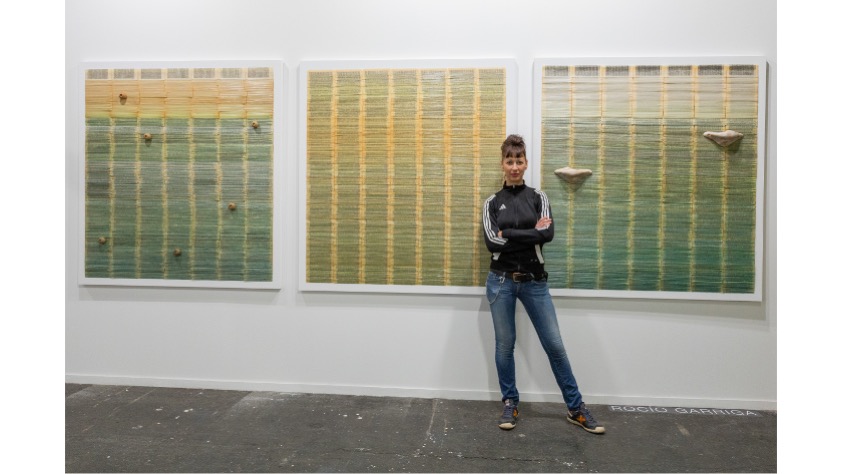
By Rocío Garriga (Spain, 1984), we present the triptych Montaña (Mountain), which creates a landscape with 1,764 pages encapsulated in coloured wax belonging to several copies of Thomas Mann's The Magic Mountain.
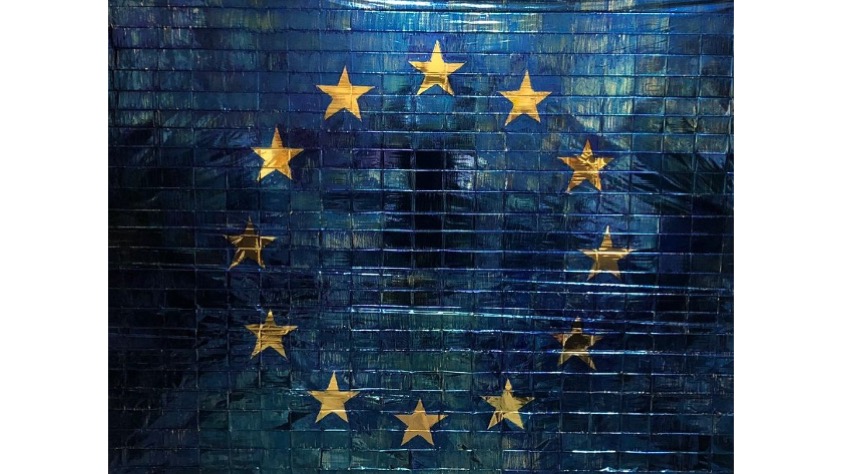
By Ramón Mateos (Spain, 1964), we present Fortaleza europea (European Fortress, 2017), a unique piece made with ink on thermal blanket. The work reflects on the people who risk their lives crossing the Mediterranean only to encounter increasingly rigid European borders for the most disadvantaged. It represents the possibility of ending up on a thermal blanket at the gates of Europe.
